INITIALIZING MISSION
Global Space Robotics Competition
Design. Build. Conquer Mars.
Registration Deadline
Elite Teams
General Footfall
Mission Tasks
Days of Challenge
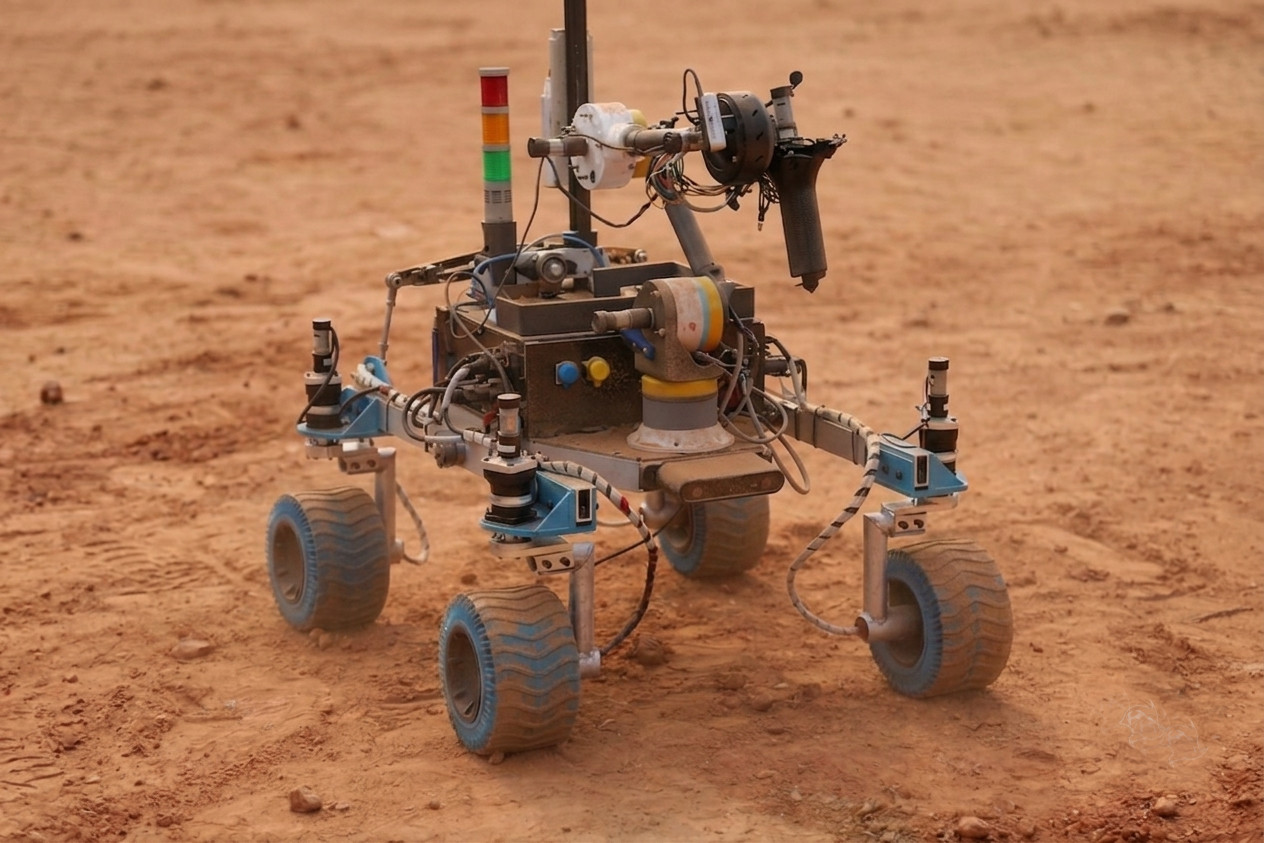
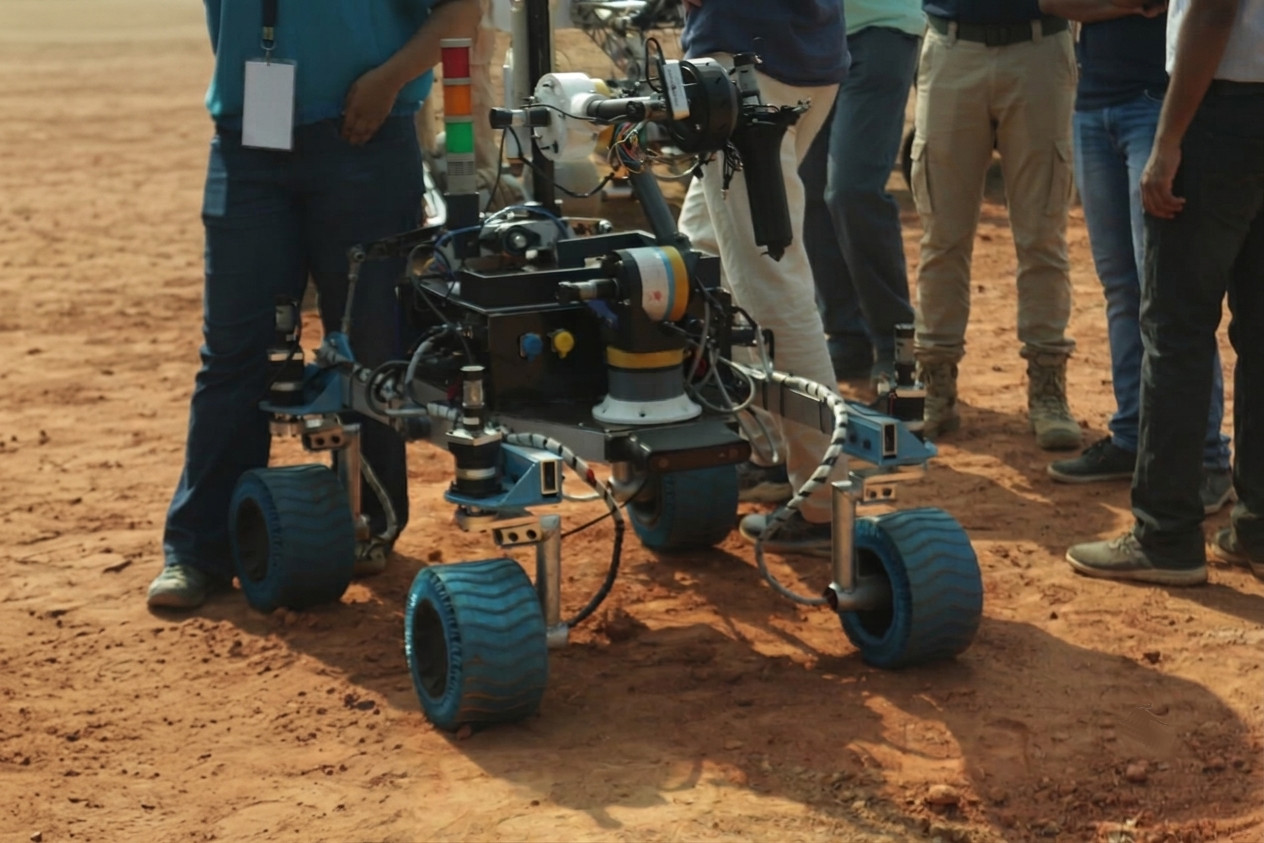
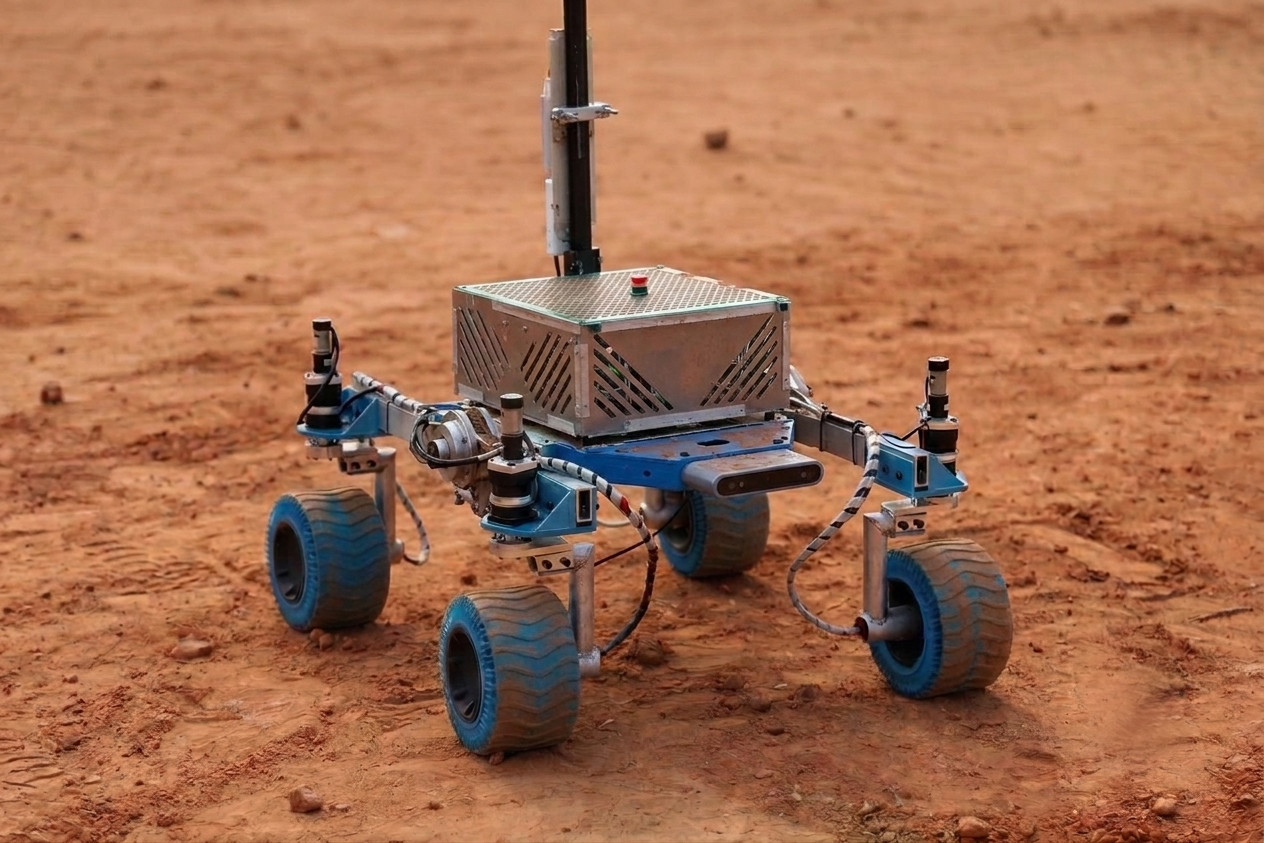
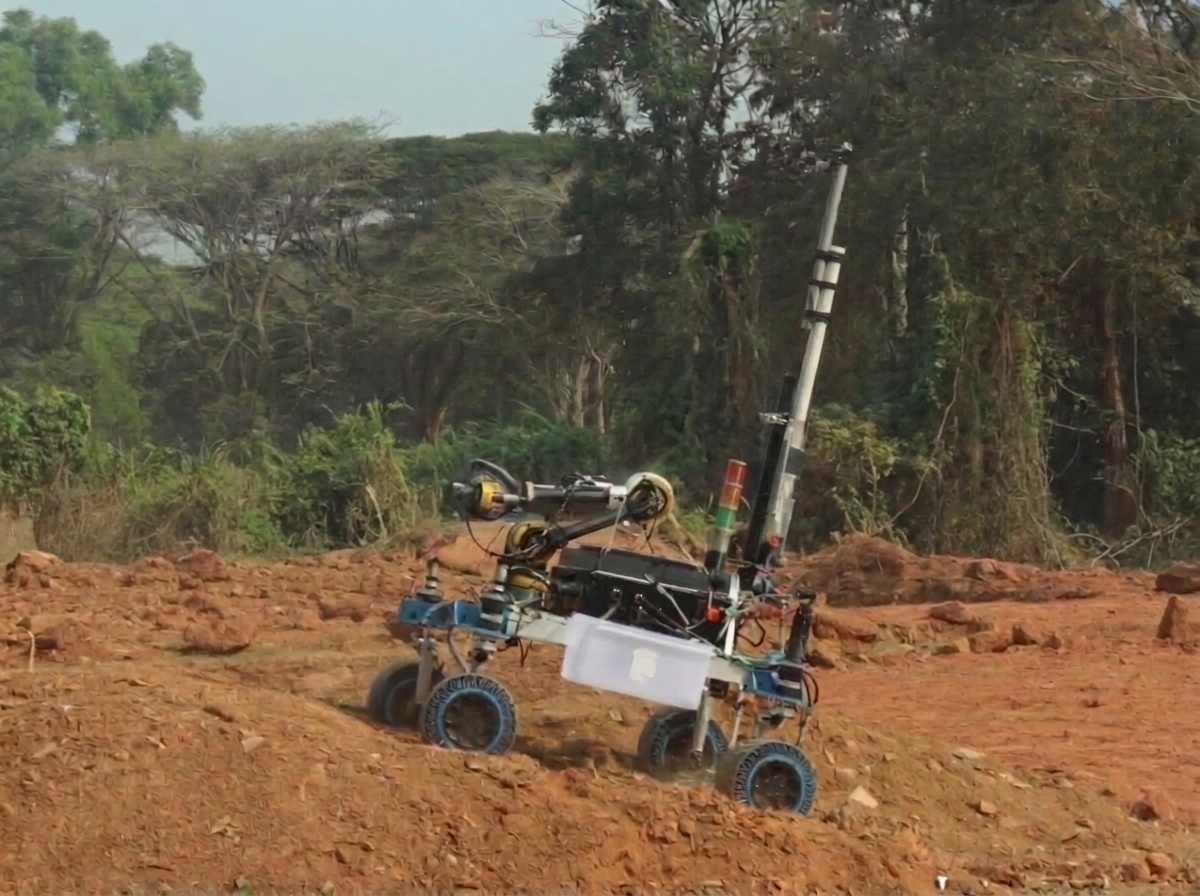
The Asian Rover Challenge (AsRC) 2026 is an international space robotics competition. designed to inspire innovation, collaboration, and engineering excellence among the next generation of roboticists. Participants are challenged to design, build, and operate autonomous or semi-autonomous planetary rovers capable of completing realistic mission scenarios inspired by future lunar and Martian exploration. AsRC provides a platform for students, researchers, and innovators to apply theoretical knowledge to real-world engineering challenges while fostering international collaboration and technological advancement.
Set in a near-future Mars in the 2040s, AsRC shifts the paradigm from exploration to planetary habitation. The challenge facing humanity is no longer discovering Mars—it is learning how to live, operate, and build there.
Restoring dormant infrastructure
Transporting resource payloads
Deploying traversable paths
In-situ geological study
LIVE CHALLENGE
MACE KOTHAMANGALAM 2026
Teams submit the required technical deliverables, including engineering documentation and supporting materials. Submissions are evaluated by the judging panel to determine eligibility for the final competition.
Qualified teams compete on-site by completing a series of simulated planetary exploration missions that evaluate rover performance, system reliability, technical design, and operational capability.
Teams from across the world begin registering. Submit your preliminary designs and team profiles.
July 2026Submit System Design Papers and preliminary rover specifications for expert panel review.
September 2026Teams present detailed designs, testing results, and final rover specifications to judges.
October 2026On-field competition at MACE Kothamangalam. Rovers face real Mars-simulated terrain tasks.
November 2026
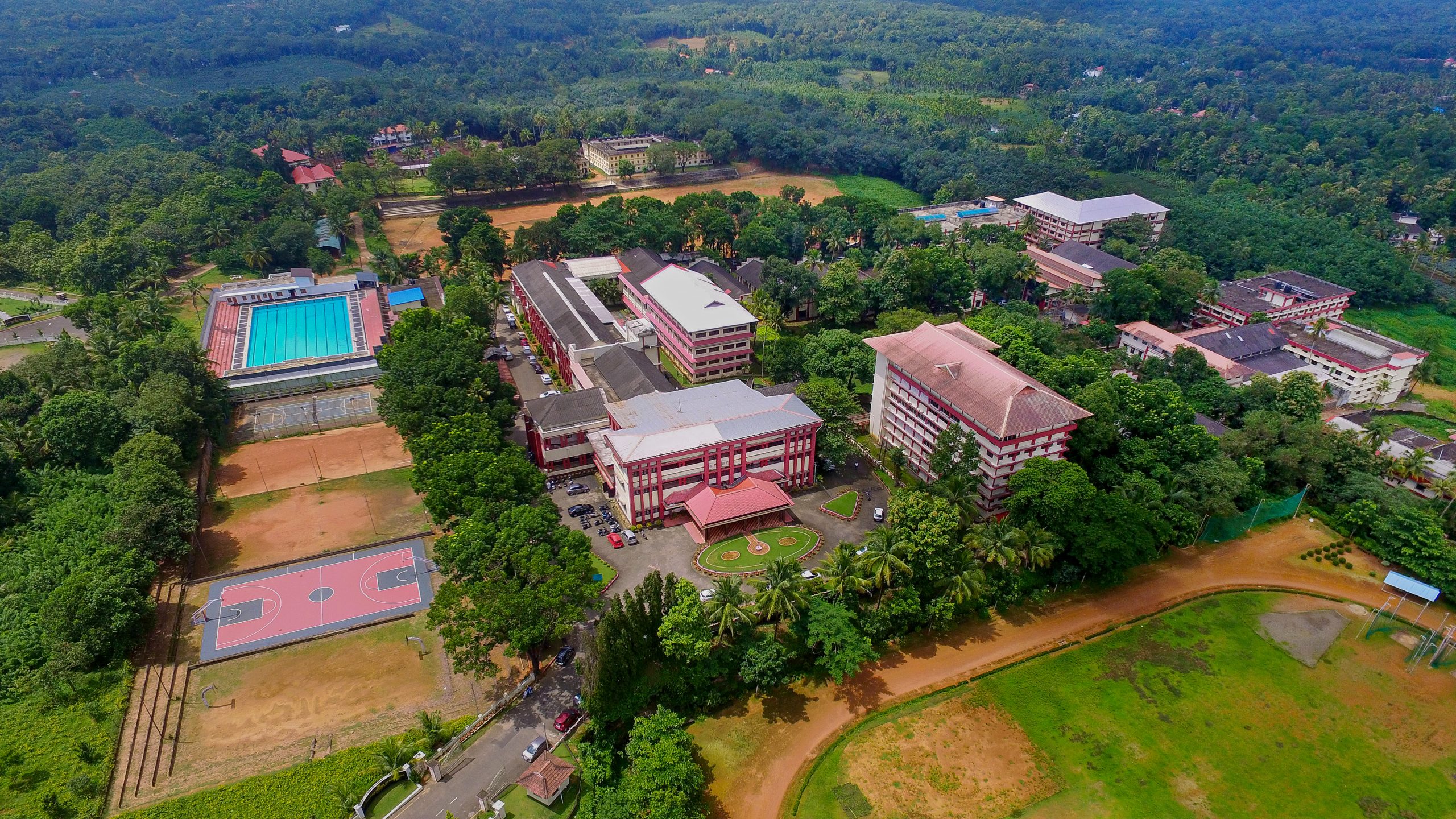
Mar Athanasius College of Engineering
Kothamangalam, Ernakulam, Kerala, India
Strategic Location
45 km from Kochi International Airport, nestled in the foothills of Western Ghats
World-Class Facilities
Custom Mars-simulated test arena with diverse terrain features
Rich Heritage
One of the premier engineering institutions in Kerala, est. 1961
Ready to push the boundaries of space robotics? Assemble your team, design your rover, and compete against the brightest minds across the globe.
Gather 5-30 university students passionate about robotics
Complete registration form with team and university details
Begin designing and building your Mars rover prototype
Registration fee applies • For queries: contact@asrc.space
Your Path Forward
From sign-up to the starting line — here's exactly how your journey unfolds after you register for ASRC 2026.
Submit your team details and pay the registration fee through the official ASRC portal. All team members must be enrolled university students.
You'll receive an email confirmation with your unique team ID, login credentials, and next steps within 48 hours of registration.
Our committee verifies student IDs, institutional affiliations, and team composition to ensure eligibility compliance.
Once verified, your team gains access to the ASRC team dashboard where you can manage members, track deadlines, and view announcements.
Upload your System Design Document (SDD), video demonstrations, and technical proposals through the secure submission portal.
A panel of expert judges from academia and industry evaluates each submission based on innovation, feasibility, and technical excellence.
Selected teams are publicly announced and notified via email with detailed instructions for the on-site competition phase.
Qualified teams confirm participation, complete travel logistics, and prepare their rovers for the live competition at MACE Kothamangalam.
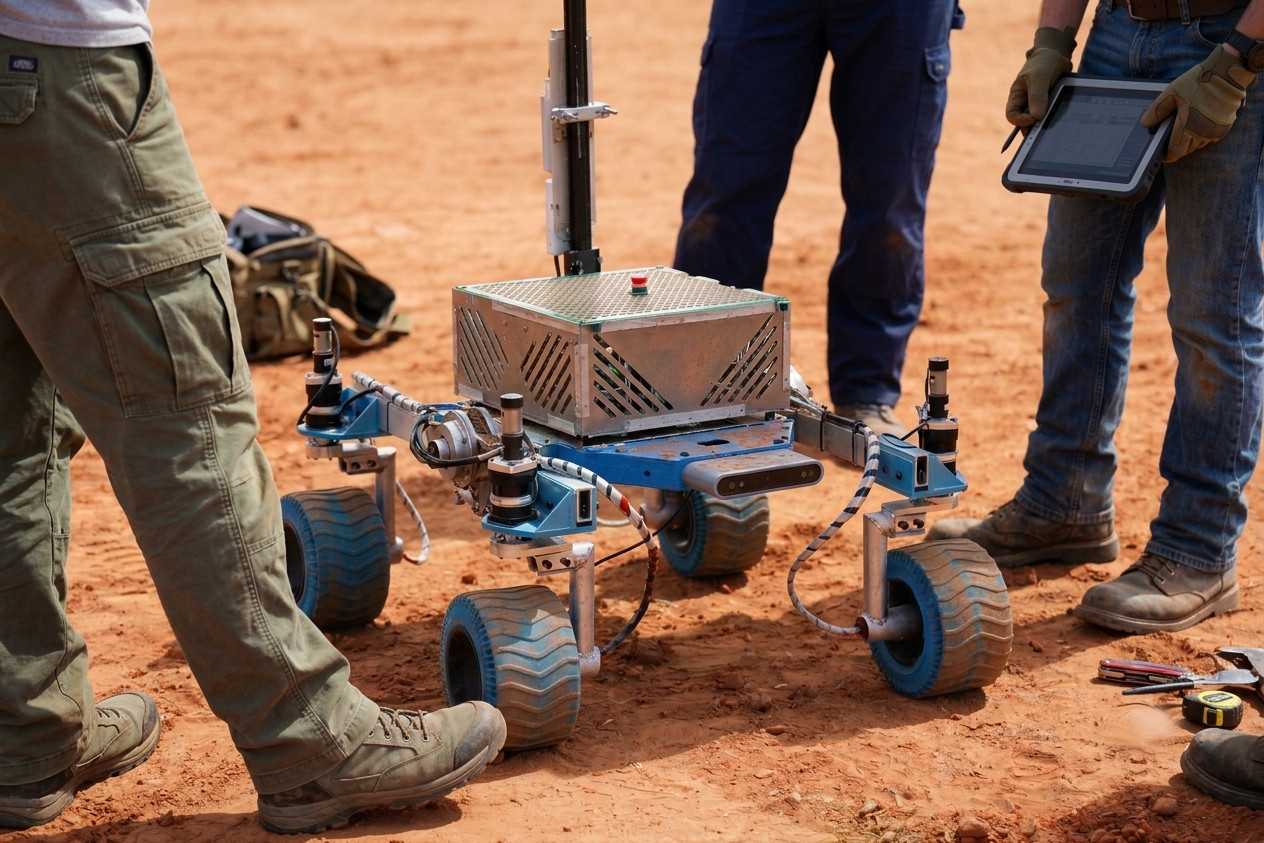
The Asian Rover Challenge (AsRC) 2026 simulates the challenges of future planetary exploration through a series of realistic engineering missions inspired by lunar and Martian expeditions.
Teams must demonstrate the capabilities of their rover by completing multidisciplinary tasks that test mobility, autonomy, scientific investigation, robotic manipulation, and systems integration.
Each mission is designed to evaluate how effectively a rover can operate in a demanding extraterrestrial environment while maintaining reliability, precision, and efficiency under real-time conditions.
Modern planetary exploration requires more than a capable robot—it demands a complete engineering solution. AsRC challenges teams to design rovers that combine mechanical innovation, intelligent software, robust electronics, and effective operational strategies into a single, mission-ready system.
Success depends not only on completing tasks but on demonstrating sound engineering principles, safety, teamwork, and problem-solving under competition conditions.
Teams will be evaluated across five distinct mission categories, each designed to test specific engineering, scientific, and operational capabilities.
Navigate through a simulated planetary terrain while avoiding obstacles, planning efficient routes, and operating with minimal human intervention. This mission evaluates localization, path planning, autonomous decision-making, and overall mobility performance.
Perform precision manipulation tasks using robotic arms and end-effectors to interact with mission equipment. Teams must demonstrate accurate control, dexterity, and reliable operation while servicing simulated infrastructure and scientific instruments.
Collect, transport, and analyze simulated planetary samples to investigate the environment and identify scientifically significant findings. This mission assesses sampling techniques, onboard science systems, and data interpretation.
Support the development of a sustainable extraterrestrial habitat by completing construction and infrastructure-related tasks. Teams must demonstrate the ability to assist future human missions through engineering solutions that enable long-term planetary settlement.
Operate the rover through a professional mission control workflow while demonstrating effective planning, communication, situational awareness, and decision-making. This mission evaluates the team's ability to manage mission operations, monitor rover health, respond to unexpected challenges, and coordinate efficiently under time constraints. Emphasis is placed on operational strategy, teamwork, system reliability, and adherence to established mission procedures, reflecting the responsibilities of real-world space mission control teams.
Technical compliance specifications
Complete engineering specifications are detailed in the official rulebook.
Administrative & eligibility criteria
All participants are expected to uphold the values of professionalism, integrity, and respect.
Violations may result in warnings, penalties, or disqualification.
Please ensure the Official rulebook is adhered to and followed.
Competition Resources
RISA
organising community
MACE
Host Institution